
Energy Hub
Why does the body need energy?
What is the main source of energy for the body?

Featured Products
Blog

FAQs
Why am I feeling tired all the time?
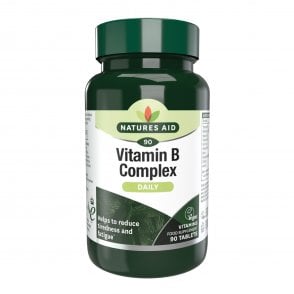
You may feel tired all the time and lack energy for several reasons. A lack of sleep, a poor sleeping pattern, or a hectic lifestyle can often cause tiredness. If tiredness and a lack of energy persist, this may be down to a vitamin or mineral deficiency, stress or too little or too much exercise. Dehydration is also a factor in causing tiredness. Looking for ways to boost your energy? Shop the Natures Aid Vitamin B Complex range to help aid in the reduction of tiredness.
What is fatigue?
Fatigue is defined as the feeling of constant tiredness. It can be physical, mental or a combination of both, and can affect anyone. Fatigue is a lack of motivation and energy that is persistent. As symptoms can be mental or physical, there are various symptoms to look out for.
Symptoms of fatigue
The symptoms of fatigue can be split into both mental and physical symptoms. Some physical symptoms of fatigue include muscle weakness and headaches. You may also experience chronic tiredness when you are fatigued.
You will also experience various mental effects when fatigued, such as low motivation and poor concentration. Moodiness and impaired judgement are also common symptoms of fatigue. Fatigue can also affect your ability to partake in physical activity, as slowed reflexes and impaired hand-eye coordination are also symptoms.
What causes fatigue and lack of energy?
Many factors can cause fatigue, whether medical, psychological, lifestyle or workplace-related. Several medical conditions can also cause fatigue, so you should consult your doctor if you experience it for prolonged periods. Depression, anxiety or stress are some psychological factors that can be the causes of fatigue.
Issues in the workplace or certain lifestyle factors can cause fatigue, including a poor sleeping pattern that consists of too much or too little sleep, a poor diet, and consumption of alcohol or drugs. These factors prevent your body from creating energy efficiently, leading to exhaustion.
Poor workplace conditions and workplace stress are two common factors that cause fatigue in the workplace. If you are working too hard and not spending enough time in your social or family life, you suffer from burnout.
What vitamins are good for energy?
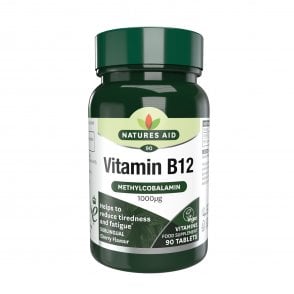
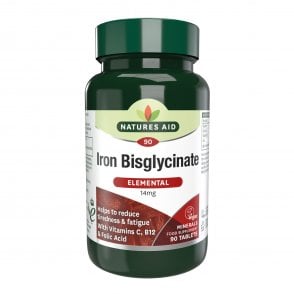
Natures Aid stocks a wide selection of supplements for tiredness and a lack of energy. Vitamin B is the best vitamin for tiredness and reducing fatigue. Natures Aid stocks various Vitamin B supplements to help you with fatigue, including Vitamin B12, Vitamin B Complex and Iron Bisglycinate
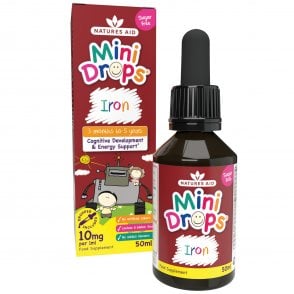
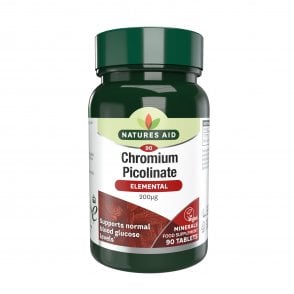
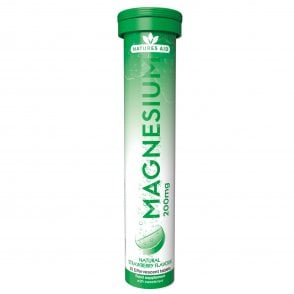
Various supplements can support you if you have a lack of energy, such as Chromium Picolinate and Magnesium Effervescent, which can help give you a well-needed energy boost. If your child requires support for their energy levels, Mini Drops Iron can aid in boosting their energy. Energy levels can also be boosted by eating plenty of foods that are rich in carbohydrates. Some of the main foods for energy include fruit, grains, potatoes and fish.

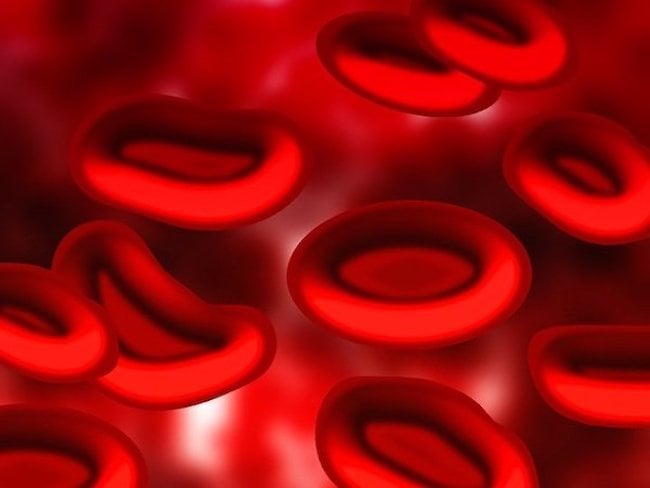
Red Blood Cells
Red blood cells are found in the blood and bone marrow and are crucial for delivering oxygen around the human body. They contain a protein called haemoglobin, their most important element, as it helps deliver oxygen from the lungs to the rest of the body. Red blood cells also take carbon dioxide back to the lungs to be exhaled.
What is iron deficiency anaemia?
Iron deficiency anaemia occurs when the body doesn’t produce enough red blood cells due to a low iron level in the blood. Iron deficiency anaemia is often caused by insufficient iron in your diet, pregnancy, vigorous exercise or chronic blood loss. Some people who are unable to absorb iron may have iron deficiency anaemia.
Iron deficiency anaemia can go unnoticed at the beginning. However, the symptoms may worsen as the iron levels deplete. The common symptoms of iron deficiency anaemia include tiredness, a lack of energy, shortness of breath and pale skin. Some less common symptoms include headaches, a sore tongue and unusual cravings for non-food items.
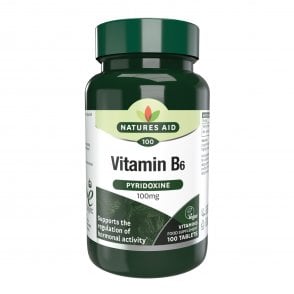
You can help boost your iron levels by including iron-rich foods in your diet, such as red meat, nuts, dried fruit and fish. You can also improve your iron levels by taking iron supplements. If you want to boost your energy and iron levels, why not opt for Natures Aid's selection of Iron Bisglycinate or Vitamin B6? We also stock Mini Drops Iron to help ensure your children's iron levels are correct!
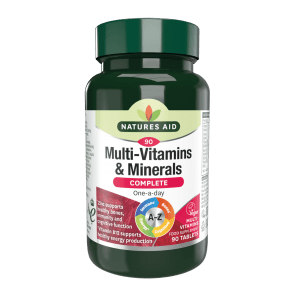
Blood Glucose
Blood glucose is the main type of blood sugar in the body. It mainly comes from food and is the body's main energy source. Your body breaks down any food you eat into glucose and releases it into your bloodstream. Foods rich in carbohydrates, such as fruit, bread and potatoes, provide plenty of glucose.
Normal blood glucose levels depend on when you last ate. If you have had a fasting blood glucose test, where you have not eaten between 8 and 12 hours before taking, a normal blood glucose level will be between 70 and 100 mg/dL. Your blood glucose level for a random test will depend on when you last ate. Your blood glucose level will normally be around 125 mg/dL or lower.
What causes low blood sugar?
Low blood sugar, or hypoglycaemia, is when the sugar level in your blood drops too low. The main causes of low blood sugar for those with diabetes are skipping meals, intense and unplanned exercise, a lack of carbohydrates and drinking alcohol. For those without diabetes, low blood sugar is uncommon. The possible causes of low blood sugar for anyone without diabetes include malnutrition, pregnancy complications, a gastric bypass or reactive hypoglycaemia.
You can treat a low blood sugar level with a sugary snack or drink. A sugary, fizzy drink or slow-release carbohydrates, such as bread or biscuits, will help to raise your blood glucose level. To help boost your blood glucose levels, why not opt for Chromium Picolinate or Magnesium Effervescent supplements?
Coenzyme Q10
Coenzyme Q10 is an antioxidant produced naturally in the body and helps convert food into energy. It also helps the growth and maintenance of your body and protects cells from oxidative damage. Coenzyme Q10 is often found in meat, fish and nuts, but these foods do not greatly impact the levels of Coenzyme Q10 in the body.
Coenzyme Q10 production in the body tends to decrease as you age. Some other potential causes of low Coenzyme Q10 levels include mitochondrial disease, oxidative stress, statin treatment side effects and genetic defects in Coenzyme Q10 synthesis.
What are the benefits of Coenzyme Q10?
There are plenty of benefits that come with Coenzyme Q10. For instance, it can help treat heart failure and support healthy skin ageing. Coenzyme Q10 could also play a potential role in cancer prevention, as people with cancer have been shown to have lower levels of Coenzyme Q10. Your lungs are very vulnerable to oxidative damage, which Coenzyme Q10 could help to reduce.
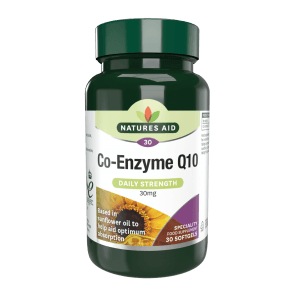
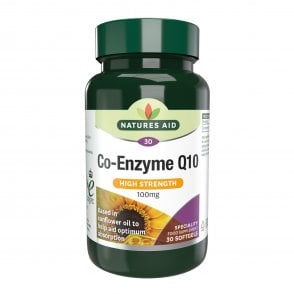
If you're looking for a supplement to help boost your Coenzyme Q10 levels, why not opt for our Coenzyme Q10 30mg or Coenzyme Q10 100mg supplements? Or, if you want more information, read our blog for everything you need about Coenzyme Q10, including what it is and why you need it.
Blog