Immune Health Hub
How to boost the immune system
How to increase white blood cells

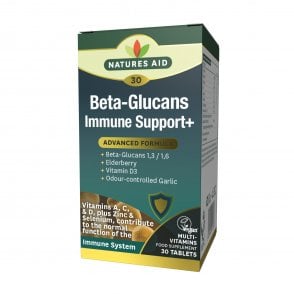
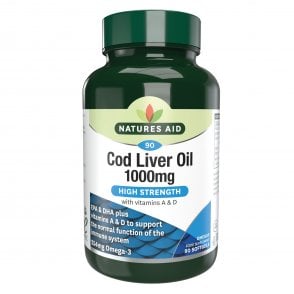
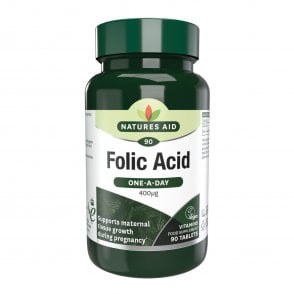
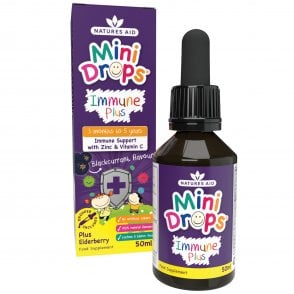
Featured Products
For Adults
For Children
Blog

FAQs
How does the immune system work?
The immune system contains two subsystems, known as the innate immune system and the adaptive immune system. These two subsystems work closely to protect the body whenever harmful substances or germs trigger an immune response.
The innate immune system is often called the non-specific immune system, as its main aim is to protect the body against general harmful germs and substances.
On the other hand, the adaptive immune system helps the body fight off specific germs the body has previously encountered. The adaptive immune system creates antibodies by adapting to the harmful germs, helping to fight off viruses that change over time.
What causes a weak immune system?
White blood cells are crucial to your immune system as they circulate through your body, protecting you from viruses. Some health conditions and medications can cause a weak immune system, as they compromise the function of your white blood cells. This can make you vulnerable to severe infections, as your white blood cells may not react to threats. Conditions such as diabetes or cancer can lead to weak immune systems.
What are the symptoms of a weak immune system?
Several symptoms can indicate you have a weakened immune system. Any unusual infections or an infection which seems to be taking longer than usual to clear up may be a sign of a weak immune system. Digestive problems and the inflammation of internal organs is also an indication of a weak immune system.
How do you boost your immune system?
What vitamins and supplements are good for boosting your immune system?


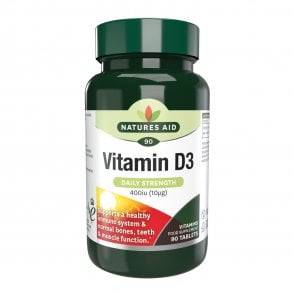
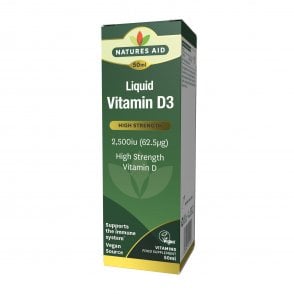
Vitamin D3
Vitamin D is essential for the immune system to help keep your bones, teeth and muscles healthy. This nutrient is crucial as it helps to regulate how much calcium and phosphate is in the body. A lack of vitamin D can lead to bone deficiencies, such as rickets in children and bone pain in adults. Vitamin D3 supplements are perfect for helping those with vitamin D deficiencies absorb calcium.
What foods contain vitamin D3?
Very few foods are rich in vitamin D3; however, the best sources of Vitamin D3 are fish liver oils and the flesh of fatty fish. Smaller amounts of vitamin D3 can also be found in foods such as spinach, kale and oatmeal.
Are you looking for vitamin D3 supplements to help boost your immune system? Shop the full range of Natures Aid’s vitamin D3 supplements. Ensure your children have a healthy immune system by opting for Super Stars Vitamin D3 spray.
For Adults
For Children

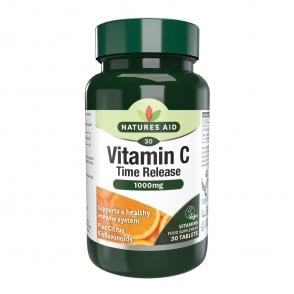
Vitamin C
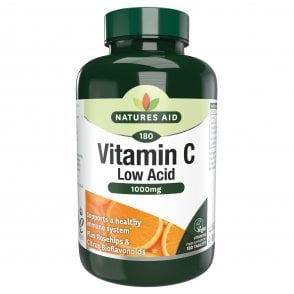
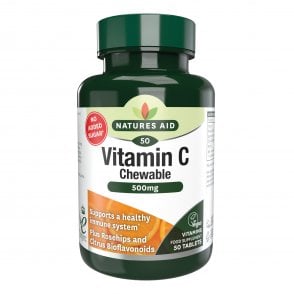
Vitamin C is essential for many of the body's functions, from the absorption of iron to the healing of wounds. Vitamin C is essential to developing, growing and repairing all body tissue. The main function of vitamin C is the formation of collagen, the most copious protein in the body and the most important ingredient for maintaining your skin, bones and muscles.
How much vitamin C should I have a day?
It is recommended that adults between the ages of 19 and 64 should have approximately 40 mg of vitamin C a day. Vitamin C cannot be stored in the body, so you must ensure your diet contains enough. Vitamin C can be found in potatoes, broccoli and citrus fruits. Too much vitamin C, over 1000 mg daily, can lead to flatulence and stomach pain.

Zinc
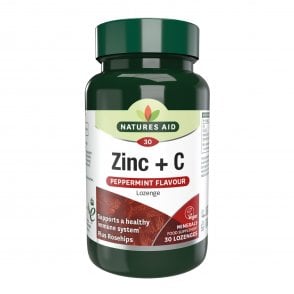
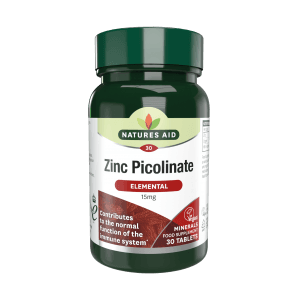
Zinc plays a huge role in maintaining a healthy immune system and can be found in cells throughout the body. Zinc is essential for helping maintain normal skin, hair and bones and contributing to the body’s cognitive system. This nutrient is also important for regulating metabolism, wound healing, taste, and smell. Zinc is also used to create DNA and proteins.
How does zinc help the immune system?
Zinc supports the immune system by activating enzymes, which help to break down proteins in bacteria and viruses. This ensures that harmful bacteria and viruses are less likely to spread throughout the body. Zinc is also important for activating cells accountable for fighting off infections.
Gut Microbiome
The gut microbiome is where all the microbes, such as bacteria, fungi and viruses, are stored in our bodies. Gut microbiomes store bacteria that help to regulate our immune systems and protect against other harmful bacteria that cause illness.
How to improve your gut microbiome
To help improve your gut microbiome, you should eat as many fruit and vegetable types as possible, especially vegetables high in fibre. It is recommended that you add prebiotic-rich foods to your meals, such as fruit, veg, whole grains and beans, as this can help to stimulate healthy bacterial growth.