
Vitamin C
Vitamin C (also known as ascorbic acid), is a vital nutrient that plays multiple roles in maintaining our health. It contributes to normal collagen formation, essential for the proper function of blood vessels, bones, cartilage, gums, skin, and teeth. Additionally, vitamin C supports the normal function of the immune and nervous systems, enhances energy-yielding metabolism, and aids in protecting cells from oxidative stress. It also increases iron absorption, which is crucial for preventing iron deficiency.
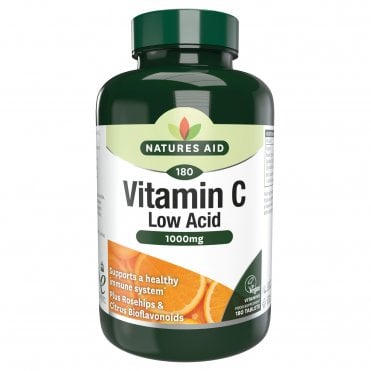
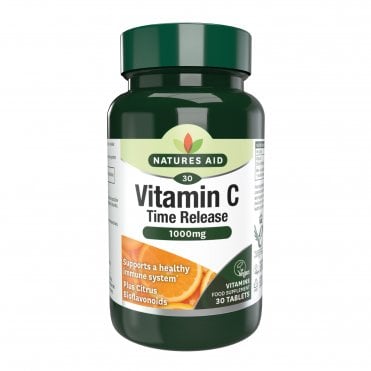
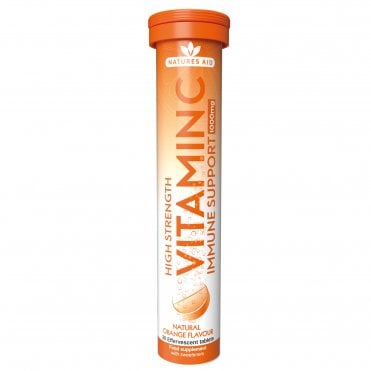
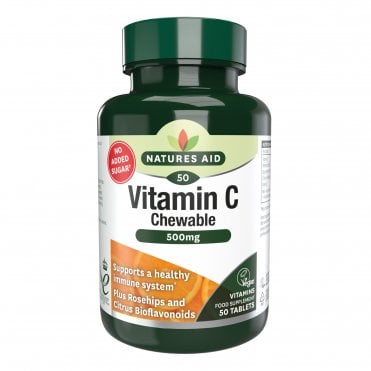


Natures Aid Range of Vitamin C Supplements
At Natures Aid we offer a diverse selection of vitamin C supplements tailored to meet various preferences and requirements:
- High-Strength Vitamin C Effervescent Tablets: Ideal for those on-the-go seeking a potent dose to support overall health and immune function.
- Chewable Vitamin C: Perfect for individuals who prefer an alternative to swallowing tablets, providing a convenient and palatable option.
- Low Acid Vitamin C: Standard ascorbic acid can be too acidic for some individuals, particularly those with sensitive digestion. Natures Aid® Low Acid Vitamin C is formulated with Calcium Ascorbate and Sodium Ascorbate, making it much lower in acid than standard vitamin C - therefore more tolerable for sensitive stomachs.
- Time Release Vitamin C: As a water-soluble vitamin, vitamin C is quickly excreted from the body. Natures Aid® Time Release Vitamin C is specially designed to release vitamin C gradually, ensuring a sustained supply throughout the day for optimal absorption and effectiveness. This design can help reduce the risk of sudden vitamin C spikes and maintain stable plasma concentrations.
Our products are crafted with care, free from artificial colours, flavours, and preservatives. We also offer vegan-friendly and gluten-free options to cater to diverse dietary needs.
Nutrition and Supplementation Guidelines
Adults aged 19 to 64 typically require 40mg of vitamin C daily*. This amount is crucial to prevent vitamin C deficiency and support overall health. While a balanced diet rich in fruits and vegetables can meet this need, certain factors may necessitate supplementation. For instance, individuals with limited dietary variety, increased physiological demands, or those exposed to environmental stressors might benefit from additional vitamin C. In such cases, high-quality supplements can help bridge the nutritional gap. (*source: nhs.uk)
Immune Support with Vitamin C
Vitamin C plays a vital role in supporting the normal function of the immune system. As an essential nutrient, it contributes to the body's natural defences in several ways:
- Vitamin C supports normal Immune Function – Vitamin C helps maintain the normal operation of the immune system, ensuring it functions effectively to protect the body.
- Vitamin C protects Cells from Oxidative Stress – As a powerful antioxidant, vitamin C helps neutralise harmful free radicals, which can damage cells and weaken immunity.
- Vitamin C encourages normal Collagen Formation – By contributing to collagen synthesis, vitamin C supports the integrity of normal skin, which acts as a barrier against external threats.
- Vitamin C increases Iron Absorption – Iron is essential for the production of healthy red blood cells, which play a role in normal immune defence. Vitamin C helps improve the absorption of non-haem iron from plant-based foods.
Regular intake of vitamin C through a balanced diet or supplementation can help support the body's natural immune defences year-round.
Vitamin C for Healthy Bones, Teeth, Gums, Skin & Cartilage
Vitamin C is essential for maintaining the normal strength and integrity of bones, teeth, gums, skin, and cartilage. Its role in collagen production makes it a key nutrient for supporting these vital structures:
- Vitamin C supports normal Collagen Formation – Collagen is a structural protein that provides strength and elasticity to bones, teeth, gums, skin, and cartilage. Vitamin C contributes to normal collagen production, ensuring these tissues remain strong and functional.
- Vitamin C maintains normal Teeth & Gums – By supporting collagen synthesis, vitamin C helps maintain normal gum health and the integrity of teeth, reducing the risk of oral health issues.
- Vitamin C supports normal Bone & Cartilage – Collagen is a major component of bone and cartilage, helping to maintain their strength and flexibility. Vitamin C plays a role in ensuring the normal function of bones and cartilage, which is particularly important for joint health and mobility.
- Vitamin C Promotes normal Skin function – Vitamin C aids in collagen production, helping to maintain the normal function of skin. It also acts as a powerful antioxidant, protecting skin cells from oxidative stress.
Getting enough vitamin C through diet or supplementation can help support the long-term health of these essential tissues.
Reducing Tiredness and Fatigue with Vitamin C
Feeling constantly tired or fatigued can impact daily life, making it harder to stay focused and energised. Vitamin C plays an important role in reducing tiredness and fatigue by supporting key bodily functions:
- Vitamin C Contributes to normal Energy-Yielding Metabolism – Vitamin C helps the body break down food into usable energy, ensuring cells have the fuel they need to function properly.
- Vitamin C helps to reduce Fatigue – By supporting normal energy metabolism, vitamin C contributes to the reduction of tiredness and fatigue, helping you feel more refreshed.
- Vitamin C supports Iron Absorption – Low iron levels are a common cause of fatigue. Vitamin C enhances the body’s ability to absorb iron from plant-based sources, helping to maintain normal energy levels.
- Vitamin C protects against Oxidative Stress – As a powerful antioxidant, vitamin C helps protect cells from oxidative stress, which can contribute to feelings of tiredness and sluggishness.
Ensuring you get enough vitamin C can help support energy levels and reduce feelings of exhaustion. If you struggle to meet your daily intake through diet alone, consider supplementing with a high-quality Vitamin C supplement to help maintain optimal energy levels.
Understanding Vitamin C Deficiency and Health Risks
Despite Vitamin C deficiency being uncommon in developed nations, its presence can lead to severe health consequences if neglected. Health professionals suggest regular monitoring of vitamin C levels for patients. Insufficient vitamin intake impacts cellular health, causes scurvy characterized by symptoms such as bleeding gums, fatigue, and risk of further complications. Preventing such deficiencies necessitates the inclusion of Vitamin C-abundant fruits and vegetables in your diet. Citrus fruits and cruciferous vegetables are not only rich in vitamin C but also contain other beneficial nutrients.
Vitamin C cannot be stored in the body, so a daily regular intake of dietary or supplementary sources of vitamin C is essential. It's crucial to approach high doses of more than 1,000mg per day cautiously to avoid gastrointestinal issues*, underscoring the importance of controlled and balanced consumption to safely enjoy Vitamin C's benefits. (*source: nhs.uk)
Dietary Sources of Vitamin C
To ensure adequate vitamin C intake, incorporate various fruits and vegetables like those high in vitamin C into your food regimen. Excellent sources include oranges, kiwi fruit, strawberries, broccoli, tomatoes, and peppers. These foods provide high concentrations of vitamin C. Regular consumption of these foods can help maintain sufficient Vitamin C levels, preventing health risks.
Explore our Vitamin C range to find the right supplement for your needs.
