
Vitamin D3
Vitamin D is a vital nutrient that plays multiple roles in maintaining our health. It contributes to the normal absorption and utilisation of calcium and phosphorus, essential for the maintenance of healthy bones, teeth, and muscles. Additionally, vitamin D supports the normal function of the immune system. A deficiency in vitamin D can lead to bone deformities such as rickets in children and osteomalacia in adults, conditions characterised by bone pain and muscle weakness.
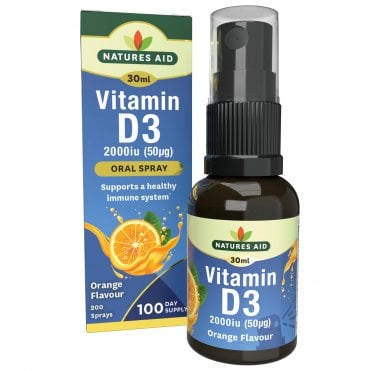
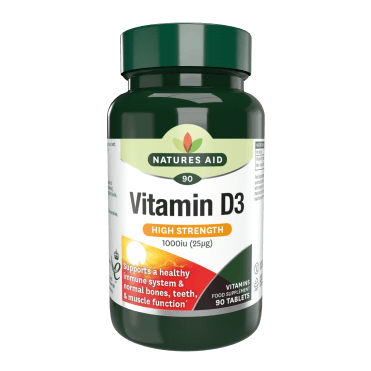
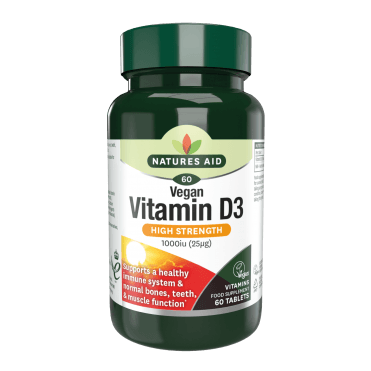
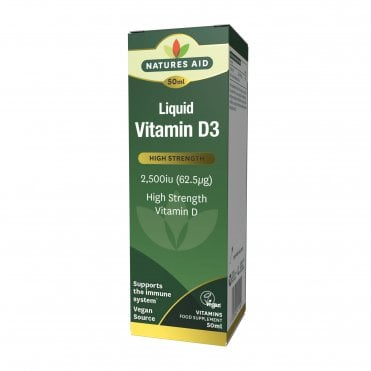
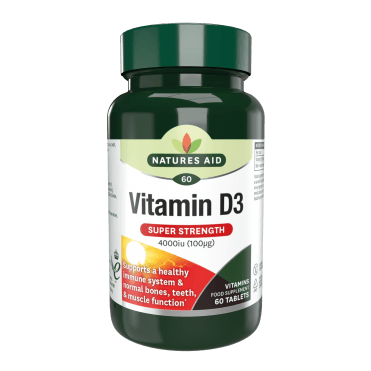
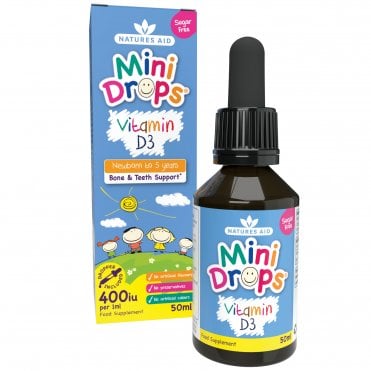

Natures Aid Range of Vitamin D Supplements
At Natures Aid, we offer a diverse selection of Vitamin D supplements tailored to meet various preferences and requirements:
- Vitamin D3 400iu Tablets: Ideal for those seeking a convenient daily dose to support your healthy immune system as well as normal bones, teeth and muscle function .
- Vitamin D3 1000iu Tablets: our high strength Vitamin D tablets provide levels for people who are at risk of Vitamin D deficiency.
- Vitamin D3 4000iu Tablets: our super strength Vitamin D tablets provide the optimum levels for those who are deficient or to support the needs of athletes.
- Vitamin D3 2000iu Oral Spray: providing 2000iu (50μg) Vitamin D3 in a convenient and easy to use, great tasting, spray with a 100 day supply per bottle.
Our products are crafted with care, free from artificial colours, flavours, and preservatives. We also offer vegan-friendly and gluten-free Vitamin D options to cater to diverse dietary needs.
- Vegan Vitamin D3 1000iu Tablets: an ideal vegan alternative Vitamin D tablet, sourced from Lichen
- Vegan Vitamin D3 2500iu Drops: Perfect for individuals who prefer a liquid form of Vitamin D, providing flexibility in dosing and easy consumption.
- Vegan Vitamin D3 400iu Liquid Drops for infants & children: Designed specifically for your little ones, this supplement ensures children receive their recommended daily intake to support healthy bones & teeth.
Vitamin D3: The Unique Roles of Cholecalciferol in Our Health
Vitamin D3, also known as cholecalciferol, stands as a key variant of Vitamin D, fostering various bodily functions. This vital nutrient helps enhance the absorption of calcium, which is critical for maintaining robust bones and ensuring healthy muscle function. Studies reveal that maintaining adequate Vitamin D levels can significantly lower the risk of bone fractures, reducing the chance of developing chronic conditions and emphasizing its pivotal role in preventive health measures.
Selecting the Ideal Vitamin D3 Supplement
Choosing the right Vitamin D supplement is paramount to meet individual health needs. Natures Aid provides a wide array of options, including tablets, sprays, and drops, to cater to these diverse needs. Research underscores the importance of maintaining adequate blood levels of Vitamin D through supplementation, which is particularly important for the elderly, developing children, or those with medical conditions affecting vitamin absorption. Engaging with a healthcare provider is essential to determine the appropriate dosage and form. Selecting the appropriate Vitamin D supplement can prevent Vitamin D deficiency and its associated health risks.
Vitamin D Nutrition and Supplementation Guidelines
During the autumn and winter months, when sunlight exposure is limited, it's challenging for individuals to synthesize sufficient Vitamin D naturally from sunlight, necessitating the increased use of supplements. The UK Department of Health recommends that adults and children over 4 years old consider taking a daily supplement containing 10 micrograms (400 IU) of Vitamin D to maintain adequate levels.
Some people will not make enough Vitamin D from sunlight because they have very little or no sunshine exposure*. Therefore, Vitamin D supplements can be particularly important for individuals with limited sun exposure, those who are housebound, developing children, or those who wear clothing that covers most of their skin when outdoors.
While Vitamin D3 plays a crucial role in health, consuming it in excessive amounts can cause health hazards, including toxicity and increased blood calcium leading to potential medical issues. High doses may increase serum calcium levels in the blood, leading to serious effects like heart problems and kidney damage. Adhering to the recommended daily intake is vital unless otherwise directed by a medical healthcare provider. Keeping intake appropriate ensures you reap the benefits without experiencing adverse effects.
Do not take more than 100 micrograms (4,000 IU) of Vitamin D a day as it could be harmful. This applies to adults, including pregnant and breastfeeding women and the elderly, and children aged 11 to 17 years.* If in doubt, you should consult your healthcare professional. (*source: nhs.uk)
Recognizing a Vitamin D3 Deficiency
Identifying whether you have a Vitamin D deficiency involves a blood test conducted by a healthcare professional to measure serum Vitamin D levels. Symptoms of deficiency might manifest as bone pain, muscle weakness, or frequent infections. Studies highlight the association of adequate levels of Vitamin D with overall well-being, reducing risks associated with chronic diseases. If you think you might have a Vitamin D deficiency, it’s essential to consult with a healthcare provider about the potential need for Vitamin D supplements or dietary modifications to prevent health issues.
Immune Support benefits with Vitamin D3
Vitamin D plays a vital role in supporting the normal function of the immune system. As an essential nutrient, it contributes to the body's natural defences that are critical parts of immune defence. Regular intake of Vitamin D through a balanced diet or supplementation can help support the body's natural immune defences year-round.
Vitamin D for Healthy Bones, Teeth, and Muscle function
Vitamin D is essential for maintaining the strength and integrity of bones, teeth, and muscles, reducing risks associated with age-related conditions. It facilitates the absorption of calcium and phosphorus from the diet, minerals crucial for bone mineralisation and muscle function. Adequate Vitamin D levels help prevent conditions like rickets in children and osteomalacia in adults, both of which are associated with weakened bones and skeletal deformities linked with Vitamin D deficiency.
Vitamin D Deficiency: Health Impacts and the Role of Supplementation
Vitamin D deficiency can lead to significant health issues, including bone deformities in children and bone pain and tenderness due to osteomalacia in adults. Individuals at higher risk of deficiency include those with limited sun exposure, people with darker skin, and those who are overweight or obese. Ensuring adequate intake of Vitamin D through diet and supplementation is crucial to mitigate these health risks and maintain healthy standards.
Foods and Other Dietary Sources of Vitamin D
While sunlight exposure is a primary source of Vitamin D, certain foods can also help boost intake. Good dietary sources include oily fish (such as salmon, sardines, herring, and mackerel), red meat, liver, egg yolks, and fortified foods like some fat spreads and breakfast cereals, which contain some vitamin content. However, obtaining sufficient Vitamin D from diet alone can be challenging, especially during months with limited sunlight, making supplementation a practical option for many individuals.
Explore our Vitamin D3 range to find the right supplement for your needs.
